
European Vacation Activities for Toddlers That Actually Work

Last Updated: November 17, 2026
Quick Summary
The best European vacation activities for toddlers are parks, playgrounds, and open squares, which cost nothing and work as a midday reset. Boats, gondolas, and mountain lifts deliver big scenery with almost no walking, and museums and markets work best in short, targeted bursts timed around naps.
Plan one park or playground stop into every day around midday, when energy dips and crowds peak.
A short canal or lake boat ride keeps a toddler contained and entertained for a full hour.
Check height and lap policies before riding mountain lifts, since rules vary by operator.
Arrive at popular attractions at opening or in the last two hours before closing.
A lightweight, foldable stroller that fits an airplane overhead bin beats a heavy travel system.
Traveling Europe with a toddler soon?
We build custom Europe itineraries around your family's pace, with on-call support during your trip.
Table of Contents
Why Toddler Activities Make or Break a European Vacation
The right European vacation activities for toddlers turn a stressful trip into a genuinely enjoyable one. Toddlers set the rhythm of a family holiday, and when the days match their energy and attention spans, everyone relaxes. This guide from Enchanted Wanderings covers the activities that work in practice, plus the logistics that keep them running smoothly.
Here is the core tension most guides skip: parents plan Europe around landmarks, then discover the landmarks are not the point. Below, we break down the activities that actually work, with age guidance, timing, and backup plans for rainy days.
Kid-Friendly Cities in Europe That Reward Slow Pacing
Kid-friendly cities in Europe share one trait: they reward slow pacing. Compact old towns, reliable transit, and plenty of open space matter more than a packed sightseeing list.
Cities With the Easiest Toddler Logistics
Look for cities where the historic center is walkable and flat, where trams and metro lines are stroller-accessible, and where a park sits within a short walk of the main sights. Smaller historic centers with pedestrian-only zones can make it easier to cover ground with a stroller.
For families who want beach time, ruins, and gentle attractions in one region, explore family destination ideas across the Mediterranean before locking in a route. The right base city cuts daily travel time more than any other planning decision.
Parks, Playgrounds, and Open Squares for Midday Resets
Parks, playgrounds, and open squares are the single most useful toddler activity in Europe, and they cost nothing. Plan one into every day around midday, when energy dips and crowds peak.

A common mistake is treating these stops as filler. They are the reset that makes the evening possible. A fountain to watch, pigeons to chase, and a bench in the shade buy you a calm afternoon.
Boats, Gondolas, and Mountain Lifts Toddlers Love
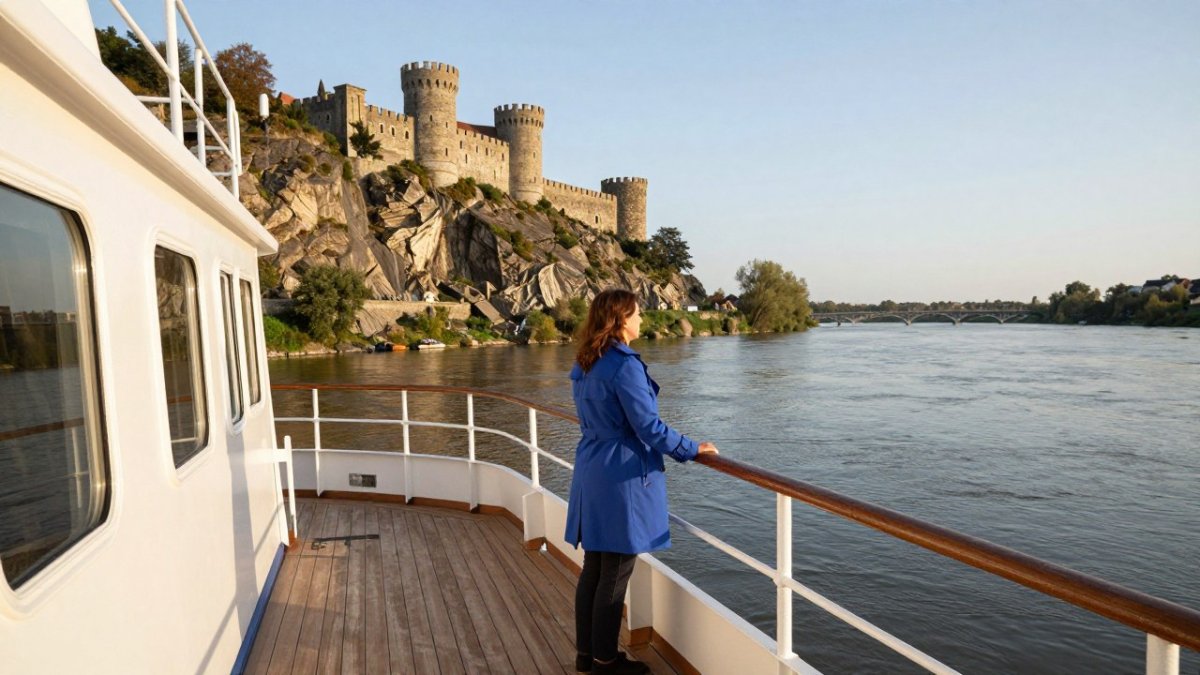
Boats, gondolas, and mountain lifts deliver big scenery with almost no walking, which makes them ideal for young children. A short canal or lake boat ride keeps a toddler contained and entertained for a full hour.
Mountain lifts are the underrated pick. The ride itself is the attraction, and many lifts have gentle trails and playgrounds at the top. Check height and lap policies before you go, since rules vary by operator. Go early; afternoon clouds often close in on higher lifts.
Museums, Markets, and Old Towns Without the Meltdowns
Museums, markets, and old towns can work with toddlers, but only in short, targeted bursts. The difference between a good visit and a meltdown is almost always planning: pick one room or one hall, go at opening time, and leave while everyone is still happy.
Matching the Activity to Your Toddler's Stage
Age and developmental stage matter more than the specific museum. A 12-to-18-month-old is usually happiest in motion, so a market with wide aisles and colorful stalls beats a gallery. An 18-to-24-month-old is starting to engage with cause-and-effect exhibits, water tables, and buttons that light up.
Museums That Actually Work for Toddlers
Interactive, hands-on attractions beat traditional galleries every time. A family-friendly museum built around storytelling keeps young children engaged far longer than a hall of paintings. For a proven example, see how the Story Museum brings stories to life for young children.
Before you commit, check three things on the museum's website: whether strollers are allowed in galleries (many historic buildings require you to leave them at the cloakroom), whether there is a baby-changing facility on site, and whether timed entry is required. Timed entry is common at popular museums and can save you a long queue with a toddler.
Watch out: many historic museums have no elevator to upper floors, so confirm step-free access before you promise a toddler a train exhibit at the top of a building.
Markets and Old Towns on a Toddler Schedule
Markets reward an early visit: fewer crowds, fresher food, and vendors who are happy to chat. Arrive within the first hour of opening, bring a stroller with sturdy tires for cobblestones, and plan a snack stop at a stall with seating rather than eating while walking. If you want to plan market stops around the best ones, read this guide to Europe's vibrant marketplaces and pick two or three near your base.
Seasonal and Weather Alternatives
In summer heat, shift museum and market visits to the morning and keep the afternoon for shade and water play. In cold or rainy months, museums and covered markets become the default, so book timed entry the night before. Many cities also run indoor play halls and library story hours that are free or low-cost and ideal for a rainy backup day.
Costs and Booking
Admission policies vary by attraction, so check each venue's website for current child and family pricing before you go. Markets and old towns are generally free to wander, so budget mainly for snacks and small extras.
Traveling in Europe With Toddlers: Logistics That Save the Trip
Traveling in Europe with toddlers comes down to logistics, not luck. The families who enjoy the trip are the ones who plan around naps, pack light, and build in slack. Below are the practical details that make each activity workable, plus the safety and weather planning that destination roundups usually skip.
Strollers, Cobblestones, and Transit
A lightweight, foldable stroller that fits an airplane overhead bin is worth more than a heavy travel system. Cobblestones punish small wheels, so pick one with sturdy tires and a foot brake. On transit, look for low-floor trams and buses with a dedicated stroller space; metro systems vary widely, and older stations often lack elevators. Check the transit operator's accessibility page before you rely on a specific line, and plan one backup route per day in case an elevator is out.
Nap Windows, Changing Facilities, and Downtime
Protect the nap window like an appointment. Plan a stroller nap during a long walk or boat ride, and keep afternoons light. For changing facilities, large museums, department stores, and chain cafes are the most reliable; small cafes and historic sites often have none. Carry a changing mat and a small kit so you are not dependent on finding a dedicated room. Build one low-stimulation block into every day: a quiet park bench, a library, or a slow cafe stop. Toddlers who get a calm hour in the middle of the day handle the evening far better.
Queues, Crowds, and Timing
Arrive at popular attractions at opening or in the last two hours before closing; midday is the worst window for a toddler. Many museums and landmarks offer timed entry or family lanes, and some let you reserve a slot online for free. Keep a queue kit: snacks, water, a small toy, and a phone loaded with a familiar show. If a line looks longer than 20 minutes, have a nearby park or square as the fallback so the day does not collapse.
Safety and Health Planning
Heat and sun are common problems in summer. Plan outdoor activity for cooler hours, carry sun protection, and bring water. Near water, keep a hand on the toddler at all times; canal edges and boat docks often have no barrier. In crowds, use a wristband with your phone number or write it on a card in the child's pocket. Know the local emergency number before you go, and note the nearest children's hospital or clinic to your base on a map.
Weather Backup Plans and Seasonal Shifts
Always have a rainy-day backup: an indoor pool, a covered market, or a hands-on museum. In summer, plan indoor activities for the hottest hours; in winter, plan outdoor time for the brightest hours and keep a warm indoor option ready. Shoulder seasons are often the easiest for toddlers because crowds and temperatures are milder, but check opening hours since some attractions run reduced schedules outside peak months.
Gear and Packing
The right gear makes travel days easier. Check this list of top travel gadgets for family trips before you pack. Prioritize a light stroller, a carrier for stairs and cobblestones, a refillable water bottle, and a small snack stash. Laundry access at your base lets you pack half as much, which matters when you are managing a toddler and luggage on trains.
A 10-Day European Family Trip Itinerary Built Around Naps
A 10-day European family trip itinerary built around naps follows a simple rule: one anchor activity per day, and nothing scheduled during the midday rest.
Day | Anchor Activity | Timing | Toddler Fit |
1-2 | Arrival and slow old-town wander | Morning only | Low-key, flexible |
3 | City park and playground | Midday | Free, high energy |
4 | Short canal or lake boat ride | Morning | Contained, calm |
5 | Hands-on museum visit | Opening hour | Short and focused |
6 | Market morning and square play | Early | Snack-friendly |
7 | Mountain lift or gondola | Morning | Big views, little walking |
8 | Rest day and pool | All day | Downtime |
9 | Beach or nature walk | Morning | Open space |
10 | Flexible buffer day | Any | Room to adjust |
This structure gives you flexibility, structured activities, and downtime in equal measure. Swap days freely; the pattern matters more than the specifics.
Planning Your Toddler-Friendly Europe Trip With Enchanted Wanderings
Planning a toddler-friendly Europe trip means matching activities to your child's age, energy, and nap schedule, then building logistics that hold up when plans change.
Our team, led by travel advisor Erin Baker, builds custom itineraries for Europe trips, river cruises, and ocean cruises.
Browse essential travel tips to round out your trip planning, then let us put the pieces together.
Toddler travel rewards planning over ambition. Build your days around one anchor activity, protect the nap window, and keep a park or square in reserve.
Frequently Asked Questions
Which European country is best for a trip with toddlers?
There is no single best country, but the easiest first trips tend to go to places with short transfer times, stroller-friendly streets, and plenty of parks. Countries with compact old towns and reliable train service let you plan toddler activities around nap windows instead of long drives. Families who want beaches, farm stays, and mountain lifts in one trip often combine two nearby countries rather than covering a whole continent in one go.
How many toddler activities should you plan each day in Europe?
One structured activity in the morning and one low-key outing after nap time is realistic for most toddlers. That usually means a park, a boat ride, or a short museum visit, plus a playground stop and a relaxed dinner. Building in flexible pacing matters more than covering landmarks. A travel advisor can help sequence kid-friendly attractions so each day has a clear rest block and a backup plan for rain.
How do you balance sightseeing and nap time on a European vacation?
Plan sightseeing for the first half of the day, when toddlers have the most energy, and keep afternoons open for stroller naps or downtime at your accommodation. Choose kid-friendly cities in Europe where major attractions sit close together, so you can return to the hotel quickly. Boats, gondolas, and mountain lifts work well because toddlers often sleep during the ride, letting parents still see the scenery.
What should parents know before traveling in Europe with toddlers?
Pack for weather swings, confirm your stroller fits cobblestone streets, and book accommodations with a kitchenette or easy breakfast. Keep daily plans short and expect to skip at least one attraction. Toddler safety and health considerations matter too: bring familiar snacks, a small first-aid kit, and any medications in carry-on bags. A 10-day European family trip itinerary with built-in rest days usually works better than a packed schedule.


Comments