
Copán, the Jewel of the Ancient Maya

This week we travel far off the beaten path, up into the mountains of western Honduras and across winding rivers, to one of the most extraordinary cities the Maya ever built. Copán was the capital of a powerful kingdom in the southern Maya world, and its artistry was so refined that it is often called the Paris of the Maya. Its rulers raised temples on top of temples, carved their history into stone, and then, sometime in the ninth century, the city fell quiet. The jungle crept back over the plazas, and Copán slept for centuries, waiting to tell its story.
Today, archaeologists are still uncovering that story, and every visit feels like stepping into a chapter that is only half written.
What to Expect
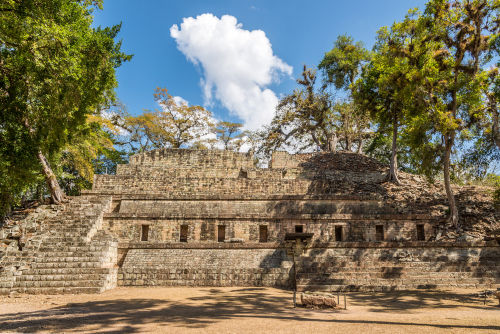
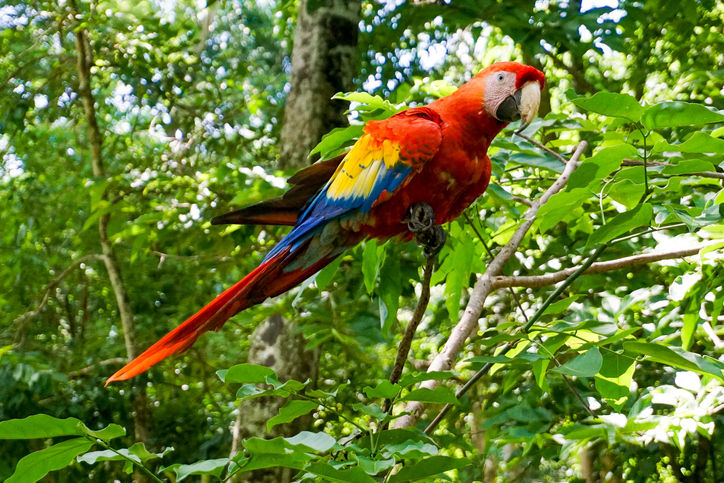
The ruins sit just outside the small cobblestone town of Copán Ruinas, near the Guatemalan border. The ancient city is divided into two very different areas: the Principal Group, built for royalty and nobility, and Las Sepulturas, the residential district where daily life unfolded. Plan a full day to see both, and keep an eye on the treetops. Scarlet macaws, sacred to the Maya, still fly over the ruins.
The Acropolis is where Copán's rulers built upward through the centuries. Rather than tearing down older temples, each new king built directly over the last, leaving the earlier structures sealed inside like layers of history. Temple 16 rises above the Acropolis, and hidden within it is the Rosalila Temple, preserved almost perfectly beneath the newer construction. Climb the great stone steps and the entire ruin complex spreads out below you.

The Hieroglyphic Stairway is the treasure that makes Copán unlike any other Maya site. Its 63 steps are covered entirely in carved glyphs recounting the history of Copán's royal dynasty, making it the longest known text left by the Maya civilization. Many of the stones fell and were scattered over the centuries, and researchers are still working to piece together its full meaning.
The Tunnels carry you beneath the Acropolis itself. Archaeologists have dug miles of passages to study the buried temples, and visitors can walk two of them. The Rosalila tunnel leads to glimpses of the brilliantly painted temple hidden inside Temple 16. The Los Jaguares tunnel reveals Galindo's Tomb, one of the most famous Maya burials, along with ancient drainage channels, tombs, and remains of earlier structures. To see Rosalila in its full colorful glory, visit the life-size replica in the Museum of Maya Sculpture on site.

Las Sepulturas lies less than a mile from the Principal Group, and here the crowds thin and the mood changes completely. This was a neighborhood of homes and family compounds, offering a rare look at how the people of Copán actually lived. When archaeologists began excavating, they found many burials beneath the houses, which gave the area its name, meaning "the tombs." They later discovered that families laid their loved ones to rest inside their homes, beneath the stone benches where they slept. It is one of the most moving stories you will hear at Copán, and only one of many.
Planning Your Visit
Be prepared to spend the day in the sun, climbing up and down ancient stairways, reading hieroglyphs, and wandering through more than a thousand years of history. Wear sturdy shoes, bring water and a hat, and arrive early for cooler temperatures and quieter paths. A local guide is well worth it here. So much of Copán's magic lives in the stories carved into its stones, and a guide brings those stories to life.
Once you have explored the world of the Maya, head over to this week's blog to discover Roatán, the laid-back island just off the Caribbean coast of Honduras.
Copán is the kind of place that stays with you long after you leave, a city of kings, carvings, and quiet homes still whispering their secrets through the jungle. If you are ready to add Honduras to your travel story, schedule a consultation with me, and let's create a journey filled with history, adventure, and wonder.


Comments