
Belize Travel Guide: Best Time, Requirements & Itineraries
Table of Contents
Why Belize Should Be Your Next Adventure
Best Time to Visit Belize: Weather, Crowds, and Costs
Belize Travel Requirements: Passports, Visas, and Entry Rules
Belize Jungle and Beach Itinerary: A 7-Day Adventure
The Classic Route: Cayo and the Cayes
Alternative Route: Southern Coast and Cayes
Alternative Route: Reef and Atoll Focus
Where to Stay: Jungle Lodges, Beach Resorts, and Budget Options
Cayo District (San Ignacio area)
Ambergris Caye (San Pedro)
Caye Caulker
Placencia and Hopkins
Toledo District (Punta Gorda)
Getting Around Belize: Flights, Buses, and Water Taxis
Conclusion: Start Planning Your Belize Getaway
Frequently Asked Questions
Last Updated: October 3, 2026
Why Belize Should Be Your Next Adventure
Belize is a small Central American country on the Caribbean Sea, and it packs more variety into its borders than destinations ten times its size. The Belize Barrier Reef, part of the Mesoamerican Reef system, runs along the entire coast and supports some of the most accessible snorkeling and diving in the Western Hemisphere. Inland, you'll find rainforest, mangrove swamps, and Mayan ruins that predate most European settlement in the region. This guide from Enchanted Wanderings covers when to go, what you need to enter, and how to build an itinerary that combines jungle and beach without wasting days in transit.
What most guides miss is that Belize travel works best when you stop treating it as a single destination. The cayes, the jungle, and the southern coast each demand different logistics. Get that structure right and the trip practically plans itself.
Best Time to Visit Belize: Weather, Crowds, and Costs
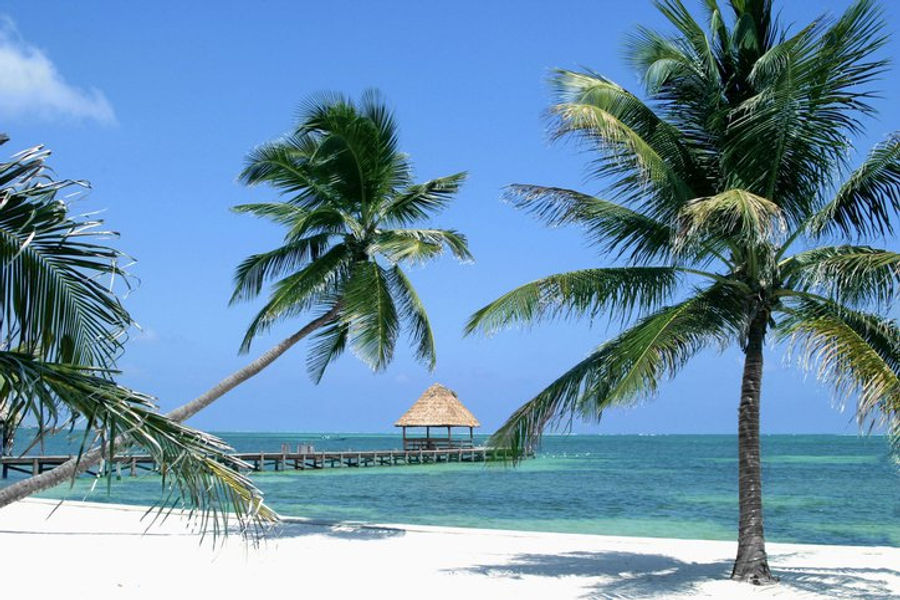
The best time to visit Belize is between December and April, when the dry season brings lower rainfall, comfortable temperatures, and reliable conditions for reef activities. This window also coincides with peak tourist season, so book accommodations and domestic flights well ahead.
The trade-off is straightforward:
December to April: Dry, sunny, busiest, highest rates
May to June: Hot, shoulder season, fewer crowds
July to November: Hurricane season, heaviest rain, lowest rates
Tropical climate patterns mean afternoon showers are common even in the dry season, usually passing within an hour. Travelers focused on diving should note that visibility on the reef is generally best in the drier months.
Pro Tip Book jungle lodges and beach resorts as a package through one coordinator when possible. Splitting them across separate bookings often leaves you stranded between transfers that don't line up.
Belize Travel Requirements: Passports, Visas, and Entry Rules
For U.S. citizens, Belize travel requirements are simple: a valid passport and proof of onward travel. Most visitors receive a stamp allowing a stay of up to 30 days, with extensions available through local immigration offices.
Entry rules to know before you book:
Passport must be valid for the duration of your stay
A return or onward ticket is typically required
Cruise passengers follow separate ship-based entry procedures
Visa regulations vary by nationality, so check the official U.S. Department of State Belize travel information page for current advisories before you commit to dates. Travel advisory levels can change, and it's worth confirming coverage for reef activities and inland excursions.
Belize Jungle and Beach Itinerary: A 7-Day Adventure
Most one-week Belize itineraries follow the same loop: San Ignacio for ruins, then Ambergris Caye or Caye Caulker for the reef. That loop works, but it is also the single most crowded version of the trip. Below is the classic route, followed by two alternatives that trade crowds for character.
The Classic Route: Cayo and the Cayes
Day 1: Land at Philip Goldson International Airport outside Belize City.
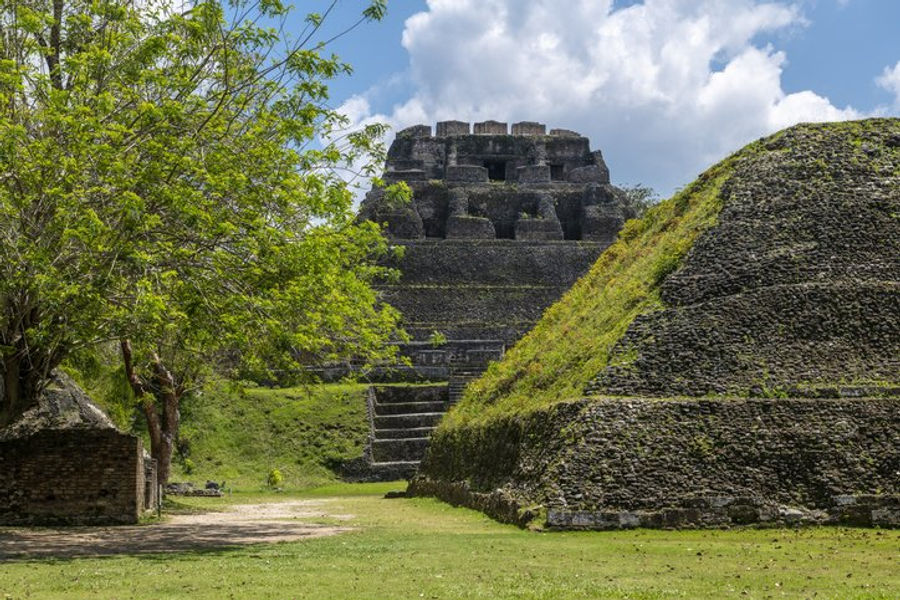
Day 2: Spend the morning at Xunantunich, where the El Castillo pyramid rises roughly 130 feet above the plaza and looks across the border into Guatemala.
Day 3: Choose one full-day adventure.
Day 4: Transfer to Belize City and take a water taxi to Ambergris Caye or Caye Caulker. The crossing to Caye Caulker runs about 45 minutes; Ambergris takes closer to 90.
Day 5: Snorkel or dive the Belize Barrier Reef. Hol Chan Marine Reserve and Shark Ray Alley are the standard first-timer picks.
Day 6: Slow down. Rent a golf cart on Ambergris, eat at a beachside grill, and take a sunset sail.
Day 7: Return to the mainland with a buffer of at least three hours before an international departure.
Alternative Route: Southern Coast and Cayes
Skip Cayo entirely and fly or drive south to Placencia, a narrow peninsula in the Stann Creek District. From there you can day-trip to the Maya ruins at Nim Li Punit and Lubaantun in the Toledo District, snorkel the reef from a smaller boat, and visit the Garifuna village of Hopkins for drumming, dance, and hudut, a coconut-based fish stew. This route is quieter, cheaper in the shoulder season, and far less photographed than the northern cayes.
Alternative Route: Reef and Atoll Focus
Travelers who care most about diving can base themselves on Ambergris Caye for the full week and take multi-day trips to the Turneffe Atoll or Lighthouse Reef. This is a specialist trip, not a sampler, and it rewards people who already hold an advanced certification.
Watch Out Don't schedule a reef excursion for your departure morning. Water taxis and domestic flights run on island time, and a delayed crossing has caused more missed international flights than any other planning error.
Book jungle lodges and beach resorts as a package through one coordinator when possible. Splitting them across separate bookings often leaves you stranded between transfers that don't line up.
Where to Stay: Jungle Lodges, Beach Resorts, and Budget Options
Belize lodging is best understood by region, not by star rating. Where you sleep determines how much of your trip you spend in transit, and the country's small size hides how slow some transfers actually are.
Cayo District (San Ignacio area)
This is the base for ruins, caves, and river activities. Lodging ranges from small in-town guesthouses to full-service jungle lodges set on riverbanks or hillsides. Expect howler monkeys at dawn, gravel access roads, and dinners served on-site because there is often nowhere else to eat. If you want nightlife or a walkable restaurant strip, stay in San Ignacio town instead of a remote lodge.
Ambergris Caye (San Pedro)
The largest and most developed island. Lodging runs from budget rooms near the town core to full resorts north of the bridge. The key distinction is whether a property sits north or south of the river channel that splits the island. North-side resorts are quieter but require a boat or a long golf-cart ride to reach town. South of town, the reef is closer and the water is calmer.
Caye Caulker
Smaller, cheaper, and more casual. Guesthouses and small hotels dominate, and the island's motto is genuinely "go slow." This is the best base for travelers on a budget who still want reef access. There is no real road network, so golf carts and bicycles are the main transport.
Placencia and Hopkins
Placencia offers a walkable sidewalk village with a mix of boutique hotels and beachfront rentals. Hopkins, a Garifuna community, has a growing set of small inns and cultural stays. Both are good bases for the southern reef and the Toledo District ruins.
Toledo District (Punta Gorda)
The least developed region for tourism. Lodging is limited to small guesthouses, eco-lodges, and community-run stays. If you want to see traditional Maya villages, cacao farms, and the deepest jungle in the country, this is where you go, and you should book well ahead.
Region | Best For | Trade-off |
Cayo District | Ruins, caves, river activities | Remote lodges have limited dining |
Ambergris Caye | Reef access, resort comfort | Higher rates, north side needs boat transport |
Caye Caulker | Budget stays, casual pace | Fewer amenities, no real roads |
Placencia / Hopkins | Walkable village, Garifuna culture | Smaller selection of upscale rooms |
Toledo District | Maya villages, true off-grid | Very limited lodging, book early |
The thing nobody tells you about Belize accommodations is that "beachfront" can mean a five-minute walk to actual swimmable water. Seagrass, shallow reef flats, and seawalls are common along the coast. Ask specifically about sargassum and seawall conditions before booking, and ask whether the property has a dock you can swim from.
Getting Around Belize: Flights, Buses, and Water Taxis
Public transportation in Belize is affordable and frequent between major towns, but it's slow. Domestic flights on small carriers cut travel time dramatically and are the standard choice for reaching the cayes and southern destinations.
Your main options:
Domestic flights: Fastest between Belize City, San Ignacio, and island airstrips
Water taxis: Regular service to Ambergris Caye and Caye Caulker
Buses: Cheapest, but routes can take hours
Rental cars: Useful inland, less so on the islands
Infrastructure improves every year, but road conditions vary after heavy rain. Build buffer time into any day that involves a transfer.
Match your transport to your itinerary, not the other way around. A trip built around water taxis and short domestic hops runs far smoother than one dependent on long overland drives.
Conclusion: Start Planning Your Belize Getaway
Coordinating jungle lodges, reef excursions, water taxis, and domestic flights is where most Belize trips go sideways. Enchanted Wanderings handles that complexity for you, with expert destination knowledge, custom itinerary planning, and on-call support if a flight delay or weather change disrupts your plans. Our team builds the logistics so you can focus on the reef, the ruins, and the people you're traveling with. Book a free consultation with Enchanted Wanderings and start your Belize getaway with every detail managed.
Frequently Asked Questions
Is it safe to travel to Belize right now?
Belize is generally safe for travelers, but like any destination, it pays to stay aware. The U.S. Department of State currently lists Belize at Level 2: Exercise Increased Caution due to crime. Stick to tourist areas, avoid walking alone at night, and use licensed taxis. Most visitors experience no problems, especially when booked with a reputable tour operator.
What language is spoken in Belize?
English is the official language of Belize, making it easy for American travelers to communicate. You will also hear Belizean Creole, Spanish, and Mayan dialects. In tourist areas, English is widely spoken, so you won't need a translation app for everyday interactions.
Do I need a passport to travel to Belize?
Yes, U.S. citizens need a valid passport to enter Belize. Your passport should be valid for at least six months beyond your planned departure date. U.S. citizens do not need a visa for stays up to 90 days. Check the latest Belize travel requirements on the official government website before you go.
What should I pack for a trip to the jungle and the coast?
Pack lightweight, quick-dry clothing for humidity, sturdy hiking shoes for jungle trails, and reef-safe sunscreen for the beach. Bring insect repellent, a rain jacket, and a swimsuit. A reusable water bottle is also handy. Don't forget a power adapter if your devices aren't compatible with Belize's 110V outlets.

Comments