
Are Canada Wildlife Tours Good for Beginners in 2026?

Last Updated: November 5, 2026
Quick Summary
Canada wildlife tours are guided trips built around watching animals in their natural habitats, and they suit beginners better than almost any other kind of adventure travel. Someone else handles the driving, timing, and local knowledge, so you don't need experience to do this well. You need the right tour and a decent packing list.
Naturalist guides can help travelers time trips to seasonal wildlife activity.
Rocky Mountain parks offer very high beginner friendliness with roadside viewing.
Dress warmer than you think for whale watching, since open water is cold even in July.
Ask operators about permits, maximum group size, and approach policy before you pay.
Book early for peak seasons, as fall bear viewing and summer whale watching fill up months ahead.
Table of Contents
Why Canada Wildlife Tours Work Well for First-Timers
Canada wildlife tours are guided trips built around watching animals in their natural habitats, and they suit beginners better than almost any other kind of adventure travel.
A first-timer's biggest fear is spending a week in the wrong place at the wrong time. Guided trips remove that risk.
Below, we'll walk through the regions, species, costs, and mistakes that trip up rookies. You don't need experience to do this well.
The Best Places to See Wildlife in Canada, Region by Region
The best places to see wildlife in Canada depend on which animals you want and when you travel. Think of the country as a handful of distinct wildlife zones, each with its own stars and season.
Here's how the main regions compare for a beginner:
Region | Star Species | Best Season | Beginner Friendliness |
Coastal rainforests | Grizzly, black bear, spirit bear | Late summer to fall | High, with guided boats |
Rocky Mountain parks | Elk, moose, bighorn sheep | Spring to fall | Very high, roadside viewing |
Far north | Polar bears, beluga whales | October to November | Moderate, remote and cold |
Atlantic coast | Humpback whales, seabirds | Summer | Very high, boat tours |
Coastal Rainforests and Bear Country
The Great Bear Rainforest on the Pacific coast is the classic bear-viewing destination. Grizzly bears, black bears, and the rare white spirit bear all live here, and guided boat and walking tours run from small coastal towns. Access is by boat or floatplane, so pick a tour that handles transport.
The Far North and the Great Plains
Churchill, Manitoba is the polar bear capital of the world, and the fall viewing season draws travelers from everywhere (Polar Bears in Churchill, Manitoba). The Great Plains parks to the south offer easier viewing of bison, elk, and birdlife. For northern lights and wild landscapes, aurora viewing in Iceland is another northern option worth comparing.
Whale Watching in Canada: What Beginners Should Expect
Whale watching in Canada is a boat-based activity. Beginners should expect cold spray, patience, and a fair amount of waiting. Sightings are never guaranteed.

A few things nobody tells you about your first whale trip:
Dress warmer than you think. Open water is cold even in July.
Bring motion sickness remedies if you're prone to it. Coastal swells are real.
Ask about backup plans. Good operators have a second activity if wildlife stays hidden.
How Guided Tours in Canada Take the Guesswork Out of Planning
Guided tours can help with timing, access, and expertise, which often challenge self-planned wildlife trips.
A knowledgeable guide can make a meaningful difference during a wildlife outing.
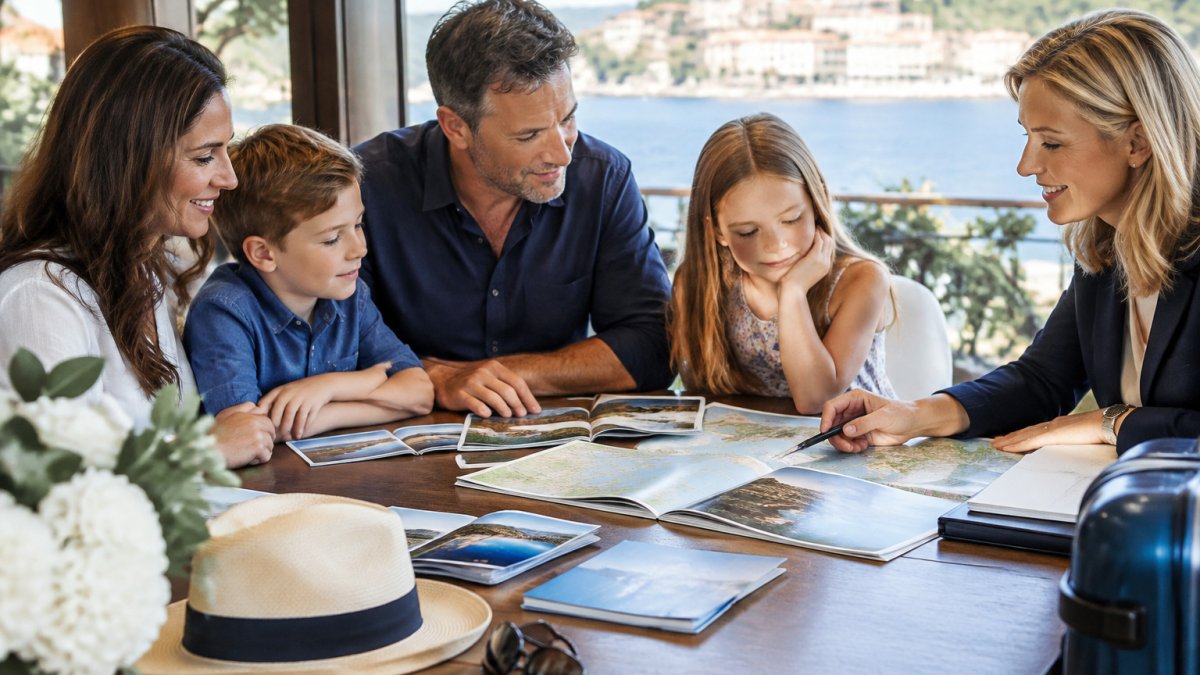
If you'd rather hand the whole plan to a specialist, our team can design a personalized international holiday around your dates and comfort level.
Canada Whale Watching Holidays: Matching the Trip to Your Comfort Level
Whale watching trips can vary in length, and the right choice depends on your comfort with boats, crowds, and cold.
A simple way to decide:
Day boat tour: Best for families and anyone unsure about sea legs.
Small-group expedition: Best for travelers who want quiet water and more time on the wildlife.
Multi-day coastal cruise: Best for couples who want comfort and scenery between sightings.
Best for: first-timers who want a taste of marine wildlife without committing a week. Skip if: you get seasick easily and won't use medication.
Responsible Wildlife Viewing: Rules Beginners Should Know
Responsible wildlife viewing means keeping your distance, staying quiet, and letting animals behave naturally. For beginners, the challenge is knowing what "responsible" looks like on the ground, because the rules change by species, park, and season.
Start with the principle behind every regulation: wildlife needs space to eat, rest, and raise young without stress. Crowding an animal may make it flee, abandon a kill, or change its feeding pattern.
Know the Viewing Distances
Parks agencies set minimum viewing distances for a reason, and they are not suggestions. Parks and marine agencies set minimum viewing distances, and these rules should be followed. Ask your guide for the local numbers before you book.
Approaching a bear for a photo is the single most common beginner mistake, and it can end a trip fast. A cornered bear may bluff-charge or attack, and even a "safe" distance shrinks quickly when an animal moves toward you.
Vet Your Operator Before You Book
A responsible operator will happily answer questions about permits, group size, and wildlife protocols. Ask these before you pay:
Do you hold the required permits? Ask which permits apply to your trip.
What is your maximum group size? Ask for the specific number.
What is your approach policy? Ask how the operator approaches wildlife.
What happens if wildlife is disturbed? Ask how the operator responds.
Are you affiliated with a recognized guiding association? Ask which associations the operator belongs to.
Follow the Rules That Apply Almost Everywhere
Stay in the vehicle or boat when instructed, especially in bear country.
Never feed wildlife, even small animals or birds (I Didn't Know That!: Don't Feed Wildlife (U.S. National Park Service)). Fed animals become bold and are often destroyed.
Keep food sealed and stored properly at camp, and never leave scraps out.
Stay on marked trails and boardwalks in sensitive areas.
Use a zoom lens instead of moving closer for photos.
Photography Without Pressure
The best wildlife photos come from patience, not proximity. A long lens, a steady rest, and quiet waiting will outperform any attempt to get closer. If your presence changes an animal's behavior, back off.
Responsible viewing is not about restrictions for their own sake. It is what keeps wildlife populations healthy and keeps these experiences available for the next beginner who books a trip.
What to Pack, What It Costs, and How to Prepare
Packing for a wildlife trip is about layers and patience. Below is a packing list and a way to compare tour components.
A Packing List That Works in Real Conditions
Wildlife viewing happens outdoors in changeable weather, often early or late in the day when animals are most active. Build your kit around three principles: layers, waterproofing, and quiet movement.
Core clothing (all seasons):
Base layer: moisture-wicking synthetic or wool, not cotton. Cotton stays wet and chills you.
Mid layer: fleece or light down for warmth.
Outer shell: waterproof and windproof jacket with a hood. Coastal and northern weather turns fast.
Pants: quick-dry hiking pants; avoid noisy fabrics if you will be walking.
Footwear: broken-in waterproof boots with good tread. Blisters ruin more trips than bad weather.
Season and region add-ons:
Summer (coastal and mountain): bug protection is essential. Coastal and northern areas have serious mosquitoes and black flies. Bring a head net and repellent with picaridin or DEET.
Fall (bear viewing): warm layers, rain gear, and neutral colors. Avoid strong scents, including scented toiletries, in bear country.
Far north (polar bear season): insulated parka, insulated boots rated for extreme cold, balaclava, and hand warmers. Confirm with your operator whether outer gear is provided before you pack.
Whale watching: dress warmer than you think. Open water is cold even in July, and spray is constant. A waterproof outer layer and a warm hat matter more than fashion.
Gear that changes the experience:
Binoculars: even a basic pair changes the experience. 8x42 is a common all-around size.
Camera with zoom: phone cameras rarely reach far enough. A bridge camera or a long lens helps.
Reusable water bottle and snacks: remote tours may not stop for food on schedule.
Small daypack: for layers you shed and gear you need close at hand.
Motion sickness remedies: if you are prone to it, bring medication and take it before you board, not after.
What a Wildlife Tour Actually Costs
No single number fits every trip, but you can compare tours fairly by breaking the price into components. Ask every operator what is included before you book. Park fees, meals, transport, and guide gratuities are often separate line items.
The main cost components to compare:
Tour or guide fee: the base price for the guided experience.
Transport: transfers from the nearest town or airport, floatplane or boat access, and any internal flights. Remote access is often the largest hidden cost.
Lodging: included or separate, and whether it is a lodge, hotel, or camp.
Meals: how many are included, and whether dietary needs are accommodated.
Park and permit fees: often separate, and sometimes required per person per day.
Build a simple table with these rows and fill in each operator's answer. The tour with the lowest headline price is rarely the lowest total cost once transport and fees are added.
How to Prepare Before You Go
Book early for peak seasons. Bear viewing in fall and whale watching in summer fill up months ahead.
Check cancellation and weather policies. Remote locations and changing weather can delay or cancel trips. Know your options before you pay.
Confirm fitness and mobility requirements. Ask about walking distance, terrain, boat time, and group size so the trip matches your comfort level.
Share dietary and medical needs in advance. Remote lodges have limited supplies.
Arrive a day early. Flight delays are common when access depends on small planes or boats.
If you are a nervous first-time international traveler, these beginner-friendly destinations are worth reading before you commit. And if wildlife encounters are your goal, Costa Rica offers an easier, warmer alternative with abundant animals.
Planning Your First Wildlife Trip with Enchanted Wanderings
Planning a first wildlife trip comes down to three decisions: where, when, and with whom. Get those right and the rest is detail.
We're a Lexington-based travel agency led by advisor Erin Baker, a CLIA Accredited Cruise Counselor and Travel Institute Certified professional.
If you want to browse North America options first, you can explore North America travel ideas and see what fits your dates.
Frequently Asked Questions
What wildlife can beginners expect to see on a guided Canada wildlife tour?
Wildlife viewed on guided tours varies by region and season, and species mentioned in regional wildlife guides may include bears, moose, elk, whales, and seabirds. Which species you see depends on the region and season, so a naturalist guide will set realistic expectations for your specific itinerary rather than promising every animal on the brochure.
When is the best time of year to book Canada wildlife tours?
Seasonal wildlife viewing varies by region, so check with your operator about which dates align with the species you want to see. Beginners should pick dates around the species they most want to see, then confirm with the operator that the season lines up with actual sightings rather than just open booking dates.
Are guided wildlife tours in Canada suitable for families and older travelers?
Ask whether a tour suits families and older travelers, and confirm the pace and logistics before you book. The key is matching the tour to your group: ask about walking distance, boat stability, seating, and whether viewing happens from a vehicle or a trail. Mobility needs are worth raising at booking, not on arrival.
How do I choose a responsible wildlife tour operator in Canada?
When choosing an operator, ask how they keep a respectful distance from animals, manage group size, and follow regional park rules. Clear answers to these questions are a useful signal.
Ready to see bears, whales, and wild coastlines without the guesswork? Enchanted Wanderings handles the research, the bookings, and the on-call support so you can focus on the wildlife. Get started with Enchanted Wanderings and plan a first wildlife trip you'll actually enjoy.

Comments