
Destination Guides
Kenya
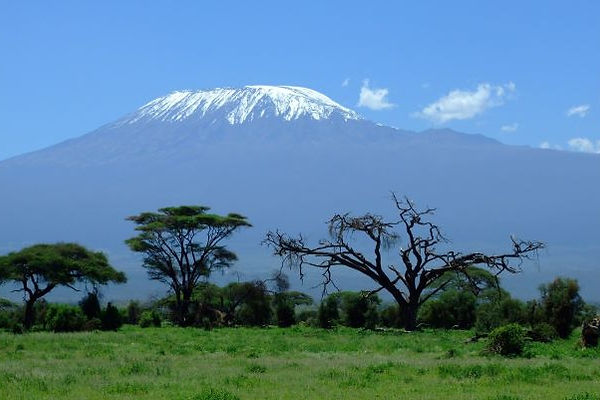
Mt Kilimanjaro
Kenya is the classic African safari destination, the Maasai Mara's dramatic landscapes and the Great Migration (roughly July-October) draw travelers from around the world, alongside a rich Maasai cultural heritage and Nairobi as a gateway city. The dry seasons (June-October and January-February) bring the best wildlife viewing conditions. A 7-10 day trip allows a proper multi-camp safari through the Maasai Mara and one other reserve. Because safari camp quality, location, and timing around the migration matter enormously to the experience, an advisor's firsthand knowledge of which camps and months actually deliver is one of the most valuable things a traveler can access here.
Local Etiquette & Cultural Tips
Kenyan culture is warm, community-oriented, and shaped by more than 40 distinct ethnic groups.
Friendly greetings: A warm handshake, "Jambo" (hello) or "Karibu" (welcome) are commonly used and appreciated.
Dress respectfully: Neutral-colored, practical clothing for safari, modest dress appreciated in towns and villages.
Dining times: Standard hours, many safari camps operate on a set schedule around game drives.
Local customs: If visiting a Maasai village, follow your guide's lead on appropriate gestures of respect and any suggested contribution to the community.
Transportation and timing: Small chartered flights connect safari camps efficiently, saving significant time over long overland drives.
Practical tip: Follow your safari guide's instructions closely at all times, this is working wildlife country, not a controlled exhibit.
Souvenirs
For the Foodies: Kenyan coffee, one of the world's most respected coffee origins.
For the Fashionistas: Maasai beaded jewelry, ideally purchased directly from Maasai artisans or a cooperative.
For the Home: A hand-carved wooden animal sculpture or a woven basket from a local craft cooperative.
Suggested Gratuities
Private Tour Guides: $25-30 per person for a half-day tour
Shared Group Tour Guides: $10-15 per person
Taxis: Round up the fare
Restaurants: 10% for good service
Private Drivers: $15-20 per trip
Safari Guides and Trackers: $15-20 per guest per day, given directly at the end of a safari stay
Housekeeping: $3-5 per night
Porters: $2 per bag
Spa Staff: 10% of the service cost
Practical Travel Notes
Currency: Kenyan Shilling, US dollars useful as backup
Language: Swahili and English are both official languages
Transportation: Small chartered flights between safari camps, private transfers within reserves
Weather: Dry seasons June-October and January-February are best for wildlife viewing
Walking: Safari is primarily vehicle-based, Nairobi is walkable in parts with common-sense precautions
Related Blogs