
Central & Eastern Europe
Area Destination Guides

Albania
Albania
Albania has emerged as one of Europe's best-value destinations, a dramatic Adriatic and Ionian coastline often compared to Croatia's at a fraction of the cost, alongside Ottoman-era towns like Berat and Gjirokastër. Late spring and early fall (May-June, September) bring warm weather with fewer crowds than peak summer. A 7-8 day trip allows the capital Tirana plus a coastal loop through the Albanian Riviera. Because Albania is still relatively undiscovered by American travelers, an advisor's guidance on logistics and where to stay helps first-time visitors feel confident booking a less familiar destination.

Armenia
Armenia
Armenia offers dramatic mountain scenery and some of the world's oldest Christian monasteries, with Yerevan's café culture and Mount Ararat's backdrop anchoring a trip that feels genuinely off the well-worn European path. Spring and fall bring the most comfortable weather for touring the monasteries and countryside. A 6-8 day trip allows Yerevan plus the surrounding monastery regions like Geghard and Khor Virap. Because Armenia is still unfamiliar to most American travelers, an advisor's guidance on logistics and a trusted local guide network helps make a less-traveled destination feel approachable.
Azerbaijan
Azerbaijan
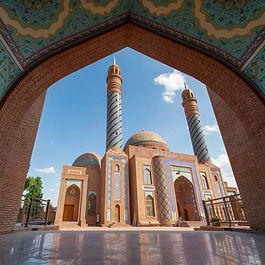
Azerbaijan bridges Eastern Europe and Western Asia both geographically and architecturally, Baku's futuristic Flame Towers sit beside the UNESCO-listed medieval Old City, giving the capital a genuinely striking contrast. Spring and fall bring the most comfortable weather for exploring Baku on foot. A 5-7 day trip allows Baku plus a countryside excursion to Gobustan's ancient rock carvings or the mud volcanoes nearby. Because Azerbaijan is still an emerging destination for American travelers, an advisor's guidance on what's genuinely worth the visit helps shape a confident first trip.
Belarus
Belarus
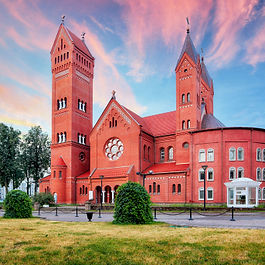
Belarus offers a genuinely different Eastern European experience, Minsk's wide Soviet-era boulevards and monumental architecture, alongside preserved medieval castles like Mir and Nesvizh in the countryside. Spring and fall bring comfortable touring weather. A 5-7 day trip allows Minsk plus a countryside castle excursion. Given the complexity of current visa requirements and travel advisories for Belarus, this is a destination where confirming entry requirements and current conditions with an advisor before booking is essential, not optional.

Bosnia & Herzegovina
Bosnia & Herzegovina
Bosnia & Herzegovina offers a striking blend of Ottoman, Austro-Hungarian, and more recent history, Sarajevo's Old Bazaar and Mostar's iconic reconstructed bridge give the country a depth that surprises many first-time visitors. Spring and fall bring comfortable weather for touring. A 4-5 day trip allows Sarajevo plus a day trip to Mostar, and it pairs naturally with a broader Balkans itinerary alongside Croatia or Montenegro. Because Bosnia & Herzegovina's recent history adds real depth to a visit, an advisor's guidance on framing the trip thoughtfully (and connecting with knowledgeable local guides) makes for a much richer experience.
Bulgaria
Bulgaria
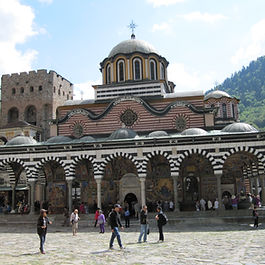
Bulgaria offers a genuinely underrated combination of Black Sea beaches, mountain monasteries, and Sofia's blend of Roman, Ottoman, and Soviet-era history, all at a noticeably lower cost than Western Europe. Spring and fall bring comfortable weather for touring Sofia and the countryside, while summer draws visitors to the Black Sea coast. A 6-8 day trip allows Sofia plus a monastery excursion (Rila Monastery is a highlight) or a coastal extension. Because Bulgaria is still relatively undiscovered by American travelers despite its genuine appeal, an advisor's guidance on what to prioritize helps make the most of a shorter visit.

Czech Republic
Czech Republic
The Czech Republic centers a trip around Prague, one of Europe's best-preserved medieval city centers and a genuinely walkable, photogenic base, with easy day trips to smaller towns like Kutna Hora or Cesky Krumlov for travelers who want more. Spring and fall (April-May, September-October) bring mild weather and thinner crowds than the summer peak. A 3-5 day trip covers Prague comfortably, often paired with Vienna, Budapest, or another Central European city on a longer itinerary. Because Prague pairs so naturally with neighboring capitals, an advisor's help sequencing a multi-city Central European route saves a meaningful amount of the planning work.

Estonia
Estonia
Estonia centers a trip around Tallinn, whose UNESCO-listed medieval old town is one of the best-preserved in Europe, while also standing out as one of the most digitally advanced small countries in the world, a genuinely interesting contrast for travelers. Late spring through summer (May-August) brings the mildest weather and long daylight hours, including near-midnight sun in June. A 3-4 day trip covers Tallinn comfortably and pairs naturally with a Baltic itinerary alongside Latvia and Lithuania, or as an add-on to a Helsinki or Scandinavian trip via the short ferry crossing. Because Tallinn pairs so easily with its Baltic neighbors and with Helsinki, an advisor's help sequencing a multi-stop Baltic or Nordic route makes for a smoother, better-paced trip.

Georgia
Georgia
Georgia has become one of the Caucasus region's most talked-about emerging destinations, Tbilisi's mix of Soviet-era, medieval, and boldly modern architecture, the Kakheti wine region (one of the oldest wine-producing areas in the world), and the dramatic mountain scenery of the Caucasus range near Kazbegi. Spring and fall bring the most comfortable weather for touring Tbilisi and the wine country, while summer suits the mountain regions best. A 6-8 day trip allows Tbilisi plus a wine country excursion to Kakheti and a day or two in the mountains near Kazbegi. Because Georgia is still unfamiliar to most American travelers despite its genuine appeal, an advisor's guidance on logistics and a trusted local guide network helps make a less-traveled destination feel approachable.

Hungary
Hungary
Hungary offers more than Budapest alone, though the capital's thermal baths and grand architecture anchor most itineraries, with wine country in places like Eger and Tokaj rewarding a day trip. Spring and fall bring comfortable sightseeing weather. A 4-5 day stay allows time for Budapest's major sights plus a countryside day trip. Because Hungary pairs so naturally with a Danube river cruise, an advisor can help fold it into a broader Central Europe itinerary.

Latvia
Latvia
Latvia centers a trip around Riga, whose Art Nouveau architecture and well-preserved medieval old town make it one of the Baltic region's most distinctive capitals. Late spring through summer (May-August) brings the mildest weather and long daylight hours. A 3-4 day trip covers Riga comfortably and pairs naturally with a Baltic itinerary alongside Estonia and Lithuania. Because the three Baltic capitals sit close enough together to combine easily, an advisor's help sequencing a multi-stop Baltic route (and deciding how many days each city truly deserves) makes for a smoother trip.

Lithuania
Lithuania
Lithuania centers a trip around Vilnius, whose Baroque old town is one of the largest and best-preserved in Eastern Europe, with the curious Hill of Crosses and the beach town of Nida on the Curonian Spit as worthwhile additions for a longer stay. Late spring through summer (May-August) brings the mildest weather and long daylight hours. A 3-5 day trip covers Vilnius comfortably and pairs naturally with a Baltic itinerary alongside Latvia and Estonia. Because Vilnius sits a bit further from Riga and Tallinn than they sit from each other, an advisor's help sequencing a Baltic route efficiently is especially useful when Lithuania is part of the plan.
Moldova
Moldova
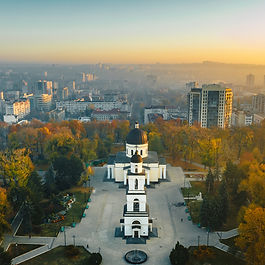
Moldova is one of Europe's least-visited countries and rewards travelers specifically interested in wine, the country has one of the highest ratios of vineyard land per capita in the world, and Cricova's underground wine cellars (some of the largest in the world) anchor a trip alongside the capital Chisinau. Late spring through fall brings the most comfortable weather for touring vineyards and the city. A 4-5 day trip allows Chisinau plus a wine country day trip to Cricova or Milestii Mici. Because Moldova is genuinely off the beaten path for American travelers, an advisor's guidance on logistics and connecting with a knowledgeable local wine guide adds real value to a shorter, focused visit.
North Macedonia
North Macedonia
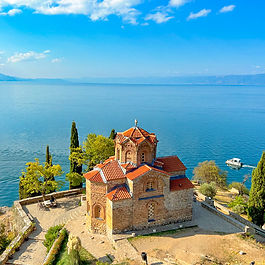
North Macedonia offers a compact, budget-friendly Balkan trip, Lake Ohrid's UNESCO-listed old town and clear mountain-fed water, and the capital Skopje's eclectic mix of ancient, Ottoman, and modern monuments. Late spring through early fall (May-September) brings the warmest, most reliable weather for the lake. A 5-6 day trip allows Skopje plus a few days at Lake Ohrid, and it pairs naturally with a broader Balkans itinerary alongside Albania or Greece. Because North Macedonia is still relatively undiscovered by American travelers, an advisor's guidance on logistics and what genuinely deserves the time helps shape a confident, efficient trip.

Poland
Poland
Poland rewards a multi-city trip more than almost any other Central European country, Krakow's remarkably preserved medieval old town, Warsaw's rebuilt center and moving history, and the Auschwitz-Birkenau memorial near Krakow each offer a distinct kind of experience. Spring and fall bring comfortable weather with fewer crowds than summer. A 7-8 day trip allows Krakow and Warsaw, with a day set aside for Auschwitz-Birkenau, a visit that deserves unhurried time and a knowledgeable guide. Because a visit to Auschwitz-Birkenau benefits enormously from the right preparation and guide, an advisor's help booking this piece thoughtfully (and pacing the rest of the trip around it) makes a meaningful difference.
Romania
Romania
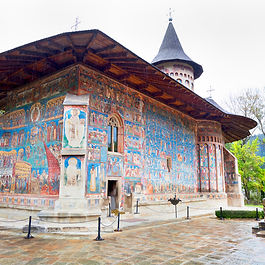
Romania offers a genuinely underrated mix of medieval Transylvanian towns, Bran Castle's Dracula lore, and Bucharest's blend of Belle Epoque architecture and Communist-era history. Spring and fall bring the most comfortable weather for touring both Transylvania and Bucharest. A 7-8 day trip allows Bucharest plus a Transylvania loop through Brasov, Sibiu, and Bran Castle. Because Romania's most rewarding sights sit outside the capital and benefit from a car or driver to link them efficiently, an advisor's help planning a realistic Transylvania route adds real value.

Russia
Russia
St. Petersburg's grand palaces and canal-lined avenues reflect Russia's history as an imperial power, with the Hermitage Museum alone worth a full day's visit. Summer's "White Nights" (June) bring nearly 24-hour daylight to St. Petersburg and a unique atmosphere. A 3-4 day stay covers the Hermitage, Peterhof Palace, and the historic center. Given the complexity of Russian visa requirements and evolving travel advisories, this is a destination where working with an advisor to confirm current entry requirements before booking is essential, not optional.

Serbia
Serbia
Serbia centers a trip around Belgrade, whose fortress overlooking the confluence of the Danube and Sava rivers anchors a city known for its energetic nightlife and layered history, while Novi Sad's laid-back riverside charm makes for an easy day trip or overnight extension. Spring and fall bring the most comfortable weather for touring. A 4-5 day trip covers Belgrade comfortably with a day trip to Novi Sad, and it pairs naturally with a broader Balkans itinerary alongside Croatia, Bosnia, or Montenegro. Because Serbia is still relatively undiscovered by American travelers, an advisor's guidance on logistics and what genuinely deserves the time helps shape a confident, efficient visit.
Slovakia
Slovakia
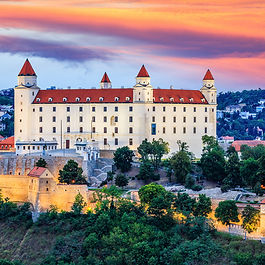
Slovakia centers a trip around Bratislava, a compact, walkable capital that pairs easily with Vienna or Budapest given the short train connections between all three, while the High Tatras mountains reward travelers with an extra few days for hiking. Spring and fall bring comfortable weather for Bratislava, summer is best for the High Tatras. A 2-3 day trip covers Bratislava comfortably as an add-on to a broader Central European itinerary, or 6-7 days if combining the capital with a High Tatras mountain stay. Because Bratislava sits so close to both Vienna and Budapest, an advisor's help sequencing a multi-city Central European route makes Slovakia an easy, worthwhile addition rather than a separate trip.

Turkey
Turkey
Turkey bridges two continents both geographically and culturally, Istanbul's mosques and bazaars sit where Europe meets Asia, while Cappadocia's hot air balloons and cave hotels offer an entirely different landscape. Spring and fall bring the most comfortable travel weather across the country. A 7-10 day trip allows time for Istanbul plus Cappadocia or the Aegean coast. Because Turkey's regions offer such different experiences, an advisor's help building a route that balances Istanbul's history with the country's other landscapes makes for a richer trip.