
UAE Desert Safari Planning Guide: What to Book First

Last Updated: November 26, 2026
Quick Summary
Choose your desert safari format before comparing prices, because the format drives the cost and the day. Evening safaris suit first-timers and families, morning safaris suit photographers and heat-averse travelers, and overnight safaris suit small groups who want the desert without the crowd.
Morning safaris run 3-5 hours and return before the afternoon heat peaks.
Evening safaris last 6-7 hours and end with a barbecue dinner and entertainment.
Overnight safaris run 16-20 hours for small groups seeking fewer crowds.
Confirm your hotel sits inside the operator's pickup zone before you pay.
Ask for included items and add-ons in writing so the total cost is clear.
Ready to plan your UAE desert safari?
We build custom itineraries and handle the logistics for your desert adventure.
Table of Contents
Start With the Safari Type, Not the Price
Most people planning a UAE desert safari planning guide start by comparing prices. That is the wrong first move.
A desert safari is an organized excursion into the sand dunes outside the city, usually combining dune driving, camp activities, and meals. The main formats are morning safari, evening safari, and overnight safari.
Here is the short version: evening safaris suit first-timers and families, morning safaris suit photographers and heat-averse travelers, and overnight safaris suit anyone who wants the desert without the crowd. Get that choice right and the rest of the planning falls into place.
A Quick Comparison of Safari Types
Safari Type | Time of Day | Best For | Typical Duration |
Morning safari | Early to midday | Photographers, families with young kids | 3-5 hours |
Evening safari | Afternoon to night | First-timers, groups, couples | 6-7 hours |
Overnight safari | Evening through next morning | Adventure seekers, small groups | 16-20 hours |
Private tour | Flexible | Families, honeymooners, VIP groups | Custom |
Finding the Best Desert Safari in UAE for Your Group
The best desert safari in UAE for your group is the one that matches your travelers' ages, energy, and tolerance for crowds.
Group size drives the decision more than anything else.
If you are coordinating a group, 7 steps to coordinate group travel without the chaos walks through the logistics that trip planners usually learn the hard way.
Watch out: booking separate shared tours for a group of eight almost always means split pickups and mismatched camp tables. Confirm everyone lands on the same vehicle before you pay.
Morning vs Evening Desert Safari: Which Fits Your Trip
The morning vs evening desert safari choice comes down to heat, light, and how you want to end your day. Morning safaris run cooler and quieter, while evening safaris deliver sunset views, dinner, and live entertainment. But the bigger difference most guides skip is how each format treats your body and your group's comfort.
What a Morning Safari Actually Feels Like
Morning tours leave shortly after sunrise and return before the afternoon heat peaks. Sand temperatures are lower, the air is calmer, and dune driving feels less jarring because the sand is firmer and the light is flat and even. Sandboarding and dune walking are noticeably easier at that hour, and the low sun makes for strong photos without the harsh shadows of midday.
Families with young children often prefer this window because everyone is back at the hotel by lunch.
Morning safaris still involve dune bashing, so if anyone in your group gets motion sickness, ask about seating and route options before pickup.
What an Evening Safari Actually Feels Like
Evening safaris start mid-afternoon, move through the dunes at golden hour, and finish at a desert camp with a barbecue dinner and entertainment. This is the classic first-timer experience, and it is also the busiest, so expect company at the popular dunes.
Evening tours stack several activities into a short window, which suits energetic groups and couples but can be a long day for small children or anyone who needs frequent breaks.
A Practical Comparison for Real Travelers
Factor | Morning Safari | Evening Safari |
Heat exposure | Lower, especially before 10 a.m. | Higher at the start, cooler after sunset |
Crowd level | Quieter dunes and camps | Busiest at popular dunes |
Best for | Photographers, young families, heat-sensitive travelers | First-timers, groups, couples |
Dune bashing intensity | Can be dialed down on request | Often the headline activity |
Return time | Before lunch | Late evening |
Motion sickness risk | Lower if seated in front | Higher on stacked dune routes |
Safety and Health Details Worth Confirming
Dune bashing is the activity most likely to cause problems, and it is worth asking direct questions before you book.
Heat precautions matter in both formats. Carry more water than you think you need, wear a hat, and plan to sit out any activity that leaves you dizzy or overheated.
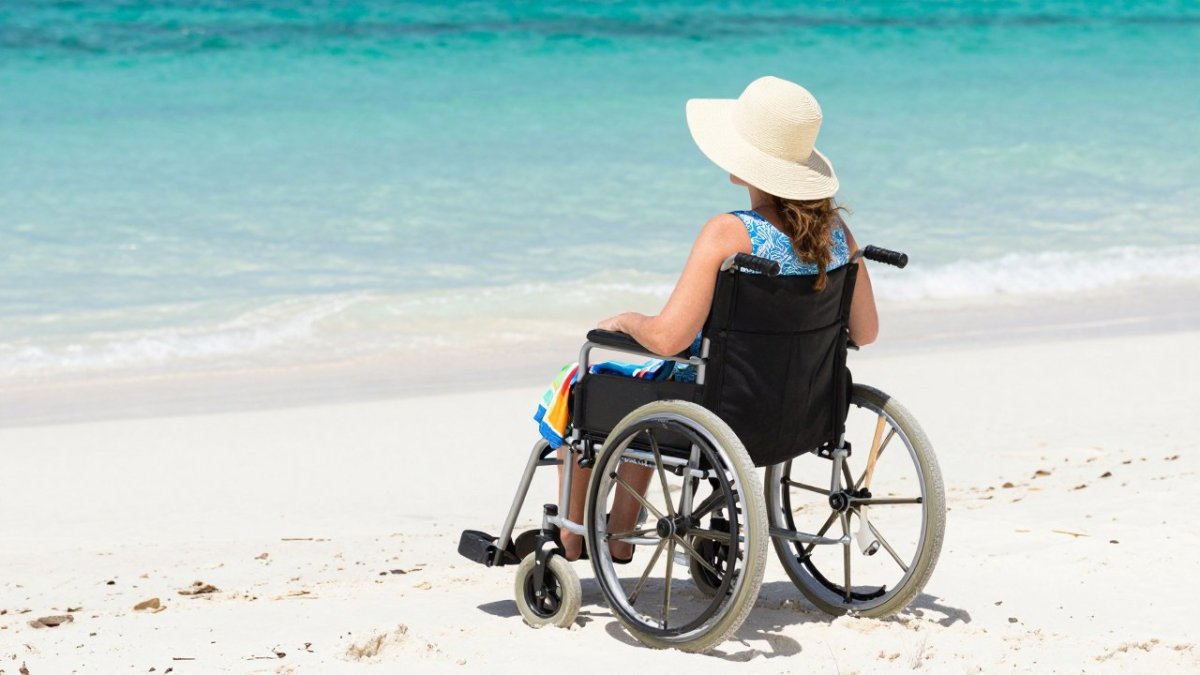
Accessibility is limited on most desert safaris. Camps are often on soft sand, vehicles are high off the ground, and bathrooms may be basic.

How Desert Safari Duration Shapes Your Day
Desert safari duration ranges from about three hours to a full overnight stay, and that range changes how you build the rest of your itinerary. A morning tour leaves your afternoon free. An evening tour consumes the whole back half of your day. An overnight trip resets your schedule entirely.
Pickup and drop-off add time you should plan for. Hotel transfers in heavy traffic can stretch the front and back of any tour, so avoid stacking a safari against a tight dinner reservation or an early flight the next morning.
A common mistake is booking an evening safari on arrival day. Jet lag plus a late camp return makes for a rough first morning. Give yourself a full day to settle in first.
What to Wear, Pack, and Prepare Before You Go
Comfortable clothing matters more than style on a desert safari. Loose, light layers protect you from sun and sand, and closed-toe shoes make sandboarding and dune walking far easier. Bring sunscreen, sunglasses, a hat, and a light jacket for the evening temperature drop.
A practical packing checklist:
Loose long sleeves and trousers in light colors
Closed-toe shoes with grip
Sunscreen, hat, and sunglasses
Light jacket or wrap for after sunset
Reusable water bottle
Camera with a dust cover
For a deeper look at packing for desert and wildlife travel, our safari in Kenya ultimate travel guide covers the same essentials in a different landscape.
Desert Safari Booking: Steps to Lock In Your Date
Desert safari booking works best when you move in a fixed order: choose the format, confirm your group size, check the cancellation terms, then reserve. Rushing straight to a discount listing is how travelers end up on the wrong tour. The checklist below is built around the questions that actually change your total cost and your day.
Step 1: Match the Format to Your Group
Pick morning, evening, or overnight based on ages, energy, and heat tolerance. A shared evening tour works for a lively group of friends. A private 4x4 suits a multigenerational family who needs their own pace. Overnight safaris suit small groups who want the desert without the crowd.
Step 2: Confirm Pickup Zone and Transfer Time
Pickup is where most surprises hide. Ask whether your hotel is inside the operator's pickup zone and how long the drive to the dunes takes. A tour listed as six hours may include transfer time on top of the time at the dunes, which changes how you plan the rest of your day.
Watch out: if your hotel sits outside the standard pickup zone, ask about extra transfer fees or meeting points before you pay.
Step 3: Separate What Is Included From What Costs Extra
Headline prices rarely tell the whole story. Ask the operator to list, in writing, what is included and what is optional. Common items that are sometimes split between included and add-on include:
Hotel pickup and drop-off
Dune bashing in a 4x4
Camel riding
Sandboarding
Quad biking
Henna painting
Barbecue dinner and soft drinks
Live entertainment
Photos or video from the tour
Gratuities for the driver and camp staff
A transparent operator answers without hesitation. If the answer is vague, assume the item is an add-on and budget accordingly.
Step 4: Check Group Size and Vehicle Type
Ask how many passengers share the vehicle and whether you can request a private 4x4. Shared tours can fill every seat, which matters if you want more space or quiet. Larger groups should confirm that everyone lands on the same vehicle before paying, because booking separate shared tours for a group of eight almost always means split pickups and mismatched camp tables.
Step 5: Read the Cancellation and Weather Policy
Desert weather can cancel or shorten a tour, and policies vary. Ask what happens if high wind, rain, or extreme heat forces a change, whether you get a refund or a reschedule, and how much notice the operator gives. Confirm the cancellation window in writing and keep the confirmation email.
Step 6: Ask About Responsible Practices
Ask whether a tour stays on designated tracks, whether the camp has a litter and waste plan, and whether the operator feeds or handles wildlife. Avoid tours that advertise close contact with desert animals, and pack out anything you bring in.
Step 7: Book Early for Peak Periods
Weekends and holiday periods fill up, and private vehicles go first. Book early if you need a specific date, a private 4x4, or a pickup from a hotel outside the standard zone. Keep a copy of the confirmation, the pickup time, and the operator's contact number on your phone.
A Quick Booking Checklist
Format chosen (morning, evening, or overnight)
Pickup zone and transfer time confirmed
Included items and add-ons listed in writing
Group size and vehicle type confirmed
Cancellation and weather policy read
Responsible-tourism questions asked
Confirmation email saved
Plan Your Safari With Enchanted Wanderings
Coordinating a desert safari alongside flights, hotels, and the rest of a trip takes time. Enchanted Wanderings builds custom itineraries and provides on-call support during travel to help with unexpected issues such as flight delays.
Our advisor brings personal travel experience across 90 countries and 7 continents, and our agency holds CLIA Accredited Cruise Counselor credentials. We are a Lexington-based agency that specializes in custom-tailored itineraries for Europe trips, river cruises, and ocean cruises.
You can explore Africa with our group travel experts to see how we handle safari-style trips, or read our local guide to planning trips that feel like you to understand how we work with travelers from Lexington.
Planning a desert safari around a milestone trip or a group with mixed budgets and preferences takes more coordination than most people expect.
Frequently Asked Questions
What should I know before booking a desert safari in the UAE?
Confirm three things first: the safari type (morning, evening, or overnight), the total time including hotel pickup and drop-off, and what the package includes such as dune bashing, camel riding, sandboarding, and meals. Ask whether the tour is shared or private, since that changes both the pace and the group size. Check cancellation terms and whether your operator provides hotel transfers, because desert locations sit well outside city centers and arranging your own transport adds stress.
Is a desert safari suitable for children and older family members?
Many operators welcome families, but the experience varies by activity. Dune bashing involves sharp turns and steep drops, which some children and older adults find uncomfortable, so ask for a gentler dune drive or a desert camp visit without the 4WD portion. Sandboarding and camel riding usually suit school-age kids with supervision. Tell your operator the ages in your group when you book so they can match you to the right vehicle and itinerary.
How long does a desert safari usually last?
Desert safari duration depends on the format you choose. A morning safari typically runs a few hours, an evening safari spans the afternoon through dinner and live entertainment, and an overnight safari extends into the next morning. Always count hotel pickup and drop-off in your planning, since transfers to the dunes add travel time on each end. Ask your operator for the total door-to-door window, not just the time spent at the camp.
What should I wear and pack for a desert safari?
Wear comfortable clothing that covers your shoulders and knees, plus closed-toe shoes for sandboarding and walking on hot sand. Bring sunscreen, sunglasses, a hat, and a light layer for the evening, when desert temperatures drop quickly. Pack water, a phone charger, and a camera for sunset and falcon photography. Leave jewelry and loose items behind, since sand gets into everything during dune driving.


Comments