
Meaningful Spiritual Trips for Peace and Clarity

Spiritual travel is about more than collecting passport stamps. It is about choosing places and rhythms that help you slow down, breathe deeply, and listen to what your heart has been trying to say for a long time. When everyday life feels loud, crowded, and overstimulating, a thoughtfully planned trip can become a gentle reset instead of just another thing on your to-do list.
At Enchanted Wanderings in Lexington, we design vacations that are as nourishing as they are memorable. As travel experts, our role is to listen first, then curate experiences that support mind, body, and spirit rather than pushing everyone into the same template. In our earlier articles on spiritual travel, we looked at famous pilgrimage sites in one piece and quieter, lesser-known retreats in another. This guide brings those threads together, with a deeper focus on how to find peace, what different types of spiritual trips actually feel like, and how to plan them in a way that feels safe, grounded, and sustainable for you.

Lessons From Our Previous Spiritual Travel Guides
In our first spiritual travel article, we focused on iconic sacred destinations. We talked about classic pilgrimage routes, historic cathedrals, and world-renowned temples that have drawn seekers for centuries. That piece highlighted the sense of history, cultural depth, and bucket-list excitement that comes from standing in places where generations have prayed, celebrated, grieved, and hoped.
Our second article took almost the opposite path. Instead of headline destinations, it explored smaller retreat centers, nature sanctuaries, and quiet hideaways. Rather than crowds and grand architecture, it emphasized soft places where you could hear birds more than traffic, where you might spend an afternoon by a lake instead of a day in line at a landmark.
This guide builds on both approaches. Instead of focusing only on how famous a place is or how hidden, we are paying attention to the felt experience of being there. Is the space genuinely quiet? Does it feel emotionally safe? Does it invite you to slow down, or does it pull you toward constant activity? A travel expert can help match you with the right setting for your personality, whether you thrive among other seekers, need solitude, or want a bit of both.

Sacred Cities and Pilgrimage Paths for Deep Reflection
For some travelers, nothing compares to the experience of a sacred city or pilgrimage path. Walking narrow stone streets toward an old European cathedral can stir a sense of awe and connection, even if you are not part of that particular tradition. Spending time in an ancient Asian temple complex, with incense in the air and monks at prayer, can invite quiet reflection simply through the atmosphere. A desert shrine or monastery, surrounded by stark open land, can make your inner world feel suddenly very clear.
In our earlier article on famous sites, we mainly listed many options. Here, the focus is on what you might feel in these spaces and how to approach them with respect. These places carry living traditions, so simple practices help: dressing modestly, moving slowly, asking before taking photos, and giving yourself time to sit instead of rushing from one landmark to the next.
Planning makes a big difference too. A travel expert can:
Time your visit for a quieter season if you want less crowd noise
Or, coordinate around festivals if you feel drawn to shared rituals and processions
Arrange local guides who can interpret symbols, history, and customs kindly
Build contemplative pauses into city itineraries, such as morning visits before tour groups arrive
Pilgrimage routes can be structured the same way. Some people appreciate walking every day with simple lodgings at night. Others prefer a few selected segments, with comfortable bases in nearby towns. Alignment with your energy level, mobility, and comfort is more important than following someone else’s idea of the “right” way to go.

Nature Retreats Where Silence Becomes the Teacher
If sacred architecture speaks to some travelers, pure landscape speaks to others. Mountain monasteries wrapped in cool air, forest hermitages lit by dappled sunlight, coastal sanctuaries where waves beat a steady rhythm, or lakeside cabins that invite long, steady breaths, all of these settings let nature carry much of the spiritual work.
Our earlier nature-focused article centered primarily on scenery and atmosphere. Here, we want to highlight simple practices that can turn a beautiful place into a meaningful retreat:
Walking meditation on a forest path, paying attention to each step
Journaling by water, letting your thoughts flow as steadily as the current
Sunrise yoga or stretching on a quiet deck or beach
Silent contemplation on a scenic overlook, with no agenda except noticing
These trips do not have to be extreme or athletic. A travel expert can gently shape the experience by choosing lodging that supports early nights instead of nightlife, selecting trails that are calming rather than intense, and leaving white space on the schedule for rest. Free afternoons, unscheduled mornings, and slow meals often become the most spiritually rich parts of the trip.
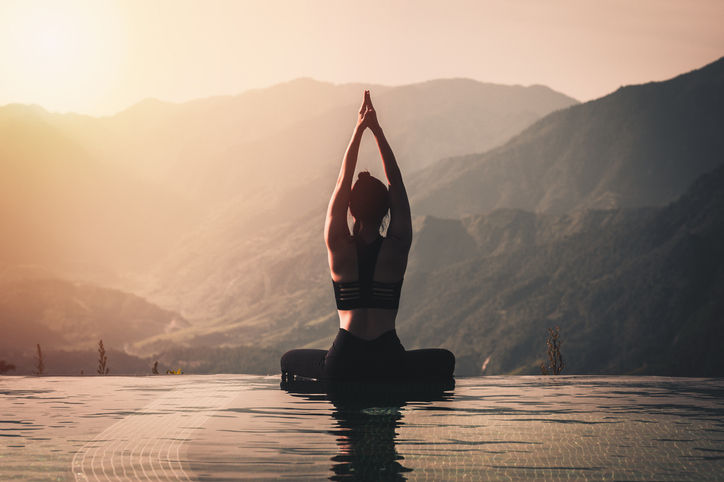
Modern Wellness and Spiritual Retreat Centers
Structured retreats offer another path. Yoga and mindfulness centers, meditation retreats, spa-focused sanctuaries, and faith-based retreat houses give you a ready-made framework so you do not have to decide what to do every hour. Scheduled classes, guided meditations, or spiritual direction sessions can be especially welcome if you are newer to reflection practices or simply tired of making decisions.
Our previous articles leaned more toward independent exploration. Here we want to honor the appeal of being gently guided. In a well-chosen retreat, you might:
Join group sessions that introduce breathing or prayer practices
Take part in workshops on topics like gratitude, forgiveness, or life transitions
Have optional one-on-one time with a teacher, chaplain, or counselor
Still enjoy personal free time for naps, walks, or journaling
Before booking, it helps to ask questions like:
Is the retreat introvert-friendly, extrovert-friendly, or both?
How structured is the schedule, and is attendance at every session required?
What is the spiritual or philosophical foundation, and does it align with your values?
What safety measures, lodging standards, and food options are in place?
A travel expert can sort through these details, compare options, and suggest retreats that fit your comfort level, religious background, or desire for a more neutral, interfaith environment.

Creating a Personal Pilgrimage Close to Home
Spiritual travel does not always require a passport or long flight. Many people find deep peace by creating a small pilgrimage within a few hours of home. From Lexington, that might mean a historic church with daily quiet hours, a retreat house with walking trails, a labyrinth tucked into a garden, or a simple cabin near a state park.
Our earlier guides mentioned domestic options only briefly. Here, we want to affirm that a meaningful weekend trip can be built around a single peaceful place, especially if your schedule, budget, or health makes longer travel difficult. A travel expert can help you design a mini-pilgrimage that might include:
One central location for prayer, meditation, or quiet reflection
A scenic drive that encourages conversation or silence, depending on your needs
A light outdoor activity such as a gentle hike or garden visit
Time in a local museum, cultural site, or cafe that feels inspiring rather than draining
The key is resisting the urge to pack in too many stops. A short trip with one truly spacious day can be more restorative than a week full of constant motion.

Turning Inspiration Into Your Own Spiritual Journey
Looking back at our two earlier articles, the main lesson is clear. What makes spiritual travel restorative is not whether a destination is famous or hidden. It is the alignment between the place, your current needs, and the pace of your days while you are there. Some seasons of life call for solitude in a cabin. Others call for a structured retreat, a sacred city, or a quiet walk through a local garden close to home.
The most helpful question to ask yourself is simple: What do I need right now? Maybe it is silence, or gentle community, or healing movement, or connection to centuries of tradition. Once that intention is clear, the practical planning becomes much easier, especially with a travel expert who understands how to translate inner longings into real-world itineraries. Spiritual journeys worth taking for peace and reflection are not about proving anything. They are about giving yourself room to rest, listen, and return home with a heart that feels just a little more whole.
Transform Your Next Trip Into A Seamless Adventure
Let us handle the details so you can focus on enjoying every moment of your journey. Schedule a consultation with a dedicated travel expert at Enchanted Wanderings and start shaping an itinerary tailored to your style, budget, and bucket list. If you have questions before getting started, feel free to contact us and we will help you decide the best next step for your travel plans.


Comments