
Mediterranean
Area Destination Guides

Croatia
Croatia
Croatia's Adriatic coastline, walled medieval towns, and startlingly clear water have made it one of Europe's fastest-growing destinations, and Dubrovnik and Split anchor a coastline worth exploring by both land and sea. Late spring and early fall (May-June, September) bring warm weather with fewer crowds than peak summer. A 7-10 day trip allows time for a coastal road trip or a small-ship cruise along the islands. Because Croatia's coastal roads and ferry schedules take some local knowledge to navigate well, an advisor's guidance on routing helps make the most of a shorter stay.

Cyprus
Cyprus
Cyprus offers a Mediterranean island experience with a distinct layered history, beaches and coastal towns like Limassol and Paphos, ancient ruins tied to Greek mythology, and a divided capital in Nicosia that reflects the island's more recent political history. The late spring through early fall (May-October) brings warm, dry, reliably sunny weather ideal for beach time. A 5-7 day trip allows a beach-based stay with day trips to ruins and one or two other towns. Because Cyprus is a smaller, less heavily marketed Mediterranean destination than Greece or Italy, an advisor's help identifying which coastal base fits a traveler's pace, lively Limassol versus quieter Paphos, adds real value.

Greece
Greece
Greece as a whole rewards combining mainland history with island time, ancient sites like Delphi and Meteora sit within reach of Athens, while a short ferry ride opens up the islands entirely. Spring and fall bring the most comfortable travel weather across the country. A 10-12 day trip allows a proper combination of mainland highlights and 2-3 islands. Because sequencing mainland sites with island time requires careful logistics (ferries, driving distances), an advisor's help building the full route prevents an itinerary that tries to cram in too much.

Greek Islands
Greek Islands
The Greek Islands offer enough variety to build an entire trip around island-hopping, whitewashed cliffside towns in Santorini, laid-back beach life in Naxos, and the nightlife of Mykonos are all distinct experiences under one destination name. Late spring and early fall (May-June, September) bring warm weather with fewer crowds than peak summer. A 7-10 day trip allows time for 2-3 islands without feeling rushed, connected by ferry or short flights. Because ferry schedules and island selection can make or break the trip, an advisor's help sequencing the right combination of islands is one of the most valuable planning services here.

Italy
Italy
Italy layers thousands of years of history into a country still very much alive, Rome's ancient ruins, Florence's Renaissance art, and Venice's canals each offer an entirely different experience within a few hours of each other by train. Spring and fall bring comfortable sightseeing weather and somewhat thinner crowds than summer. A 10-12 day trip allows time for all three cities, or a slightly shorter trip focused on two, with room for a proper Italian meal or two along the way. Because the Vatican Museums, the Colosseum, the Uffizi, and the Accademia (home to Michelangelo's David) all sell out timed tickets well in advance, booking through an advisor ahead of arrival avoids long lines and sold-out entries.

Malta
Malta
Malta packs a remarkable amount of history into a small Mediterranean island, Valletta's Baroque fortifications, prehistoric temples older than the pyramids, and the turquoise waters of the Blue Lagoon on nearby Comino. Late spring through early fall (May-October) brings warm, dry, reliably sunny weather. A 5-6 day trip allows Valletta plus day trips to Mdina, Comino, and Gozo. Because Malta's size means most sites are within easy reach of a single base, an advisor's help choosing the right home base and sequencing day trips efficiently makes for a well-paced trip without wasted time.

Montenegro
Montenegro
Montenegro packs dramatic scenery into a small Adriatic footprint, the fjord-like Bay of Kotor, the walled old town of Kotor itself, and the beach resort town of Budva each anchor a different kind of stay. Late spring through early fall (May-September) brings warm, dry weather ideal for the coast. A 5-6 day trip allows Kotor plus a Budva beach stay, and it pairs naturally with a broader Balkans itinerary alongside Croatia or Albania. Because Montenegro's coast is often compared to a smaller, less crowded version of Croatia's, an advisor's help identifying the right coastal base for a traveler's pace adds real value.
Slovenia
Slovenia
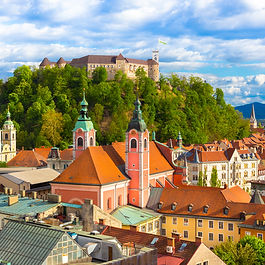
Slovenia packs alpine lakes, a small stretch of Adriatic coast, and a genuinely charming capital into one of Europe's most underrated small countries, Lake Bled's church-topped island, Ljubljana's riverside cafes, and the Postojna Cave system each anchor a different kind of day. Late spring through early fall (May-September) brings the most comfortable weather for both the lakes and any coastal time. A 5-6 day trip allows Ljubljana plus Lake Bled and a cave or coastal day trip, and it pairs naturally with a broader itinerary alongside Croatia, Austria, or Italy given how centrally it sits. Because Slovenia rewards a relaxed, nature-focused pace more than a packed sightseeing schedule, an advisor's help resisting the urge to over-plan makes for a genuinely more enjoyable trip.